
Discover more at Attingham
Find out when Attingham Park is open, how to get here, the things to see and do and more.

Step out on a walk in Attingham's garden and discover a restored Walled Garden, two-acre orchard and historic pleasure grounds teeming with wildlife. Be inspired to grow your own seasonal fruit and veg by visiting the Georgian Kitchen Garden.
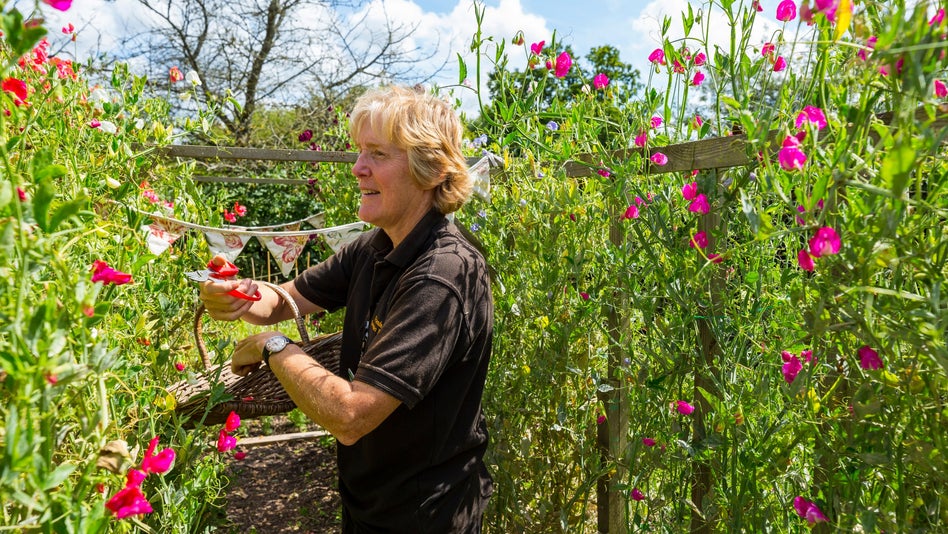
Attingham’s Walled Garden is a hive of activity, with seasonal fruit, vegetables and flowers grown throughout the year, and a haven for wildlife, including the Attingham bees. Bright splashes of colour can be seen in the Walled Garden and orchard at this time of year, look out for the dahlias in bloom in September and early October.
In the frameyard, you’ll find our wildlife-friendly bed. With a variety of plants, small pool of water and hedgehog house it’s a great place for ideas for your own garden or to take a moment and see what wildlife you can spot.
As you follow the Mile Walk through the Pleasure Grounds, look out for the various trees and seasonal shrubs, historic planting schemes and landscaped views designed to impress. You’ll find benches located around the walk where you can sit and take in the views and surroundings.
Soak up the scents, sights and sounds of Attingham's restored Walled Garden. Originally created in the 1780s, the team have been bringing this important part of the Attingham Estate back to life and production. After falling into disrepair, and having different uses in the 20th century, this Georgian kitchen garden is both beautiful and bountiful today.
Fresh produce grown in the Walled Garden is used in seasonal dishes on the menu in the café. Depending on the harvest, surplus crops are sometimes available to buy in the Stables Shop.

Attingham's two-acre orchard reflects the size of the wider Attingham Estate. The orchard and walled garden were the most intensely productive areas of the Georgian estate. Probably built in the 1780s, at the same time as the mansion, it’s located out of sight, away from the rivers Severn and Tern that meander across the estate.
Georgian gardeners carefully cultivated different varieties of apples that ripened throughout the year, extending the natural growing season with early and later crops of eating and cooking apples.
This is still the case today. The first of the apples to be picked are the Red Joanetting apples in July and the last are the Sturmer Pippins in November to be supplied to Attingham's Carriage House Café and Stables Shop for most of the year. The Georgians would have been without home-grown apples only during May and June.
The orchard is a haven for wildlife and insects. Bees feed on the spring apple blossom and birds, such as blue tits and blackbirds, nest in the trees in holes left by falling branches. Wasps are welcome in the organic orchard as they play an important role in keeping aphids down by feeding on them.
Find out when Attingham Park is open, how to get here, the things to see and do and more.
Uncover a changing story of love and neglect, of changing fortunes, revival and rediscovery inside the Regency Mansion at Attingham.

Spend time together in nature and history at Attingham Park. There’s space for kids to run free, spots to picnic and trails to explore. Here’s everything you need to plan a family day out.

Discover our gardeners’ top tips so you can make the most of your garden, plot or window box.
From masterpieces of Victorian garden design to open parklands, there are plenty of beautiful leafy places to explore in Shropshire and Staffordshire.
