
Discover more at Felbrigg
Find out when Felbrigg Hall, Gardens and Estate is open, how to get here, things to see and do and more.

Take some time to explore the garden at Felbrigg and see why visitors come back time and again to see what has changed. Discover the widely renowned Walled Garden, as well as the West Garden, which is home to the 18th-century Orangery.

Get up close to the double borders and herb beds and breathe in the scent of lavender, sage and mint. You can find many modern surprises within this traditional garden, including one of the few octagonal working dovecotes in the country, dating back to the early 1750s.
There are some old figs trained against the south-facing wall of the herb border in the walled garden, thought to have been relocated to its present position around 1750. A quote in the ‘Eastern Arboretum’ from James Grigor in 1847 mentions that the figs were about 100 years old at the time, making them the only original plants from the garden of that period.
Planted around 1860 is the 'Headache Tree' or 'Balm of Heaven', (Umbellularia californica), a very rare species in the UK.

Once called the ‘south lawn’ of the Walled Garden, it has been transformed by the garden team in recent years. Climate resilient borders have been extended and a winter-proof path added, to allow safe access all year round.
The lawn itself has two new sculptural mounds that have been sown with a wild flower meadow mix and underplanted with bulbs such as specie tulip ‘Little Beauty’. Planting includes 4 new ‘Fragrant cloud’ cherry trees, which in spring time will be covered in beautiful fragrant pink flowers. We also have Tai-Haku ‘great white’ cherries in this part of the garden too.
The borders have structural, drought tolerant plants such as Chamaerops humilis (Mediterranean Fan Palm – one of the hardiest palms) and Washingtonia robusta which is hardy to -6 ℃.
Artist blacksmith Toby Winterbourn created two benches for this area and large pots decorated with a fig leave motifs with date palms in them. He also sculpted Bacchus, the Roman god of agriculture, wine and fertility, giving this area of the garden its name.
Find out more about the metal flora, fauna and fungi artworks found in every corner of the Walled Garden.

Although not as well known as the Walled Garden, the West Garden, which surrounds the house at Felbrigg, is a joy to the senses particularly in spring. Edged with a ha-ha, you can follow the gravel paths through the garden, amongst the trees and shrubs.
Built in 1704, the Orangery was designed to blend with the west wing of the house. In the 19th century the building was given a glass roof which, by 1958, had fallen in and was replaced by the one you see today, which is also now in need of repair. The building is currently closed to visitors while a conservation project gets underway.
Find out when Felbrigg Hall, Gardens and Estate is open, how to get here, things to see and do and more.
The estate at Felbrigg includes 520 acres of woods, with rolling parkland, a lake and buggy-friendly paths. There's plenty of space to let off steam or follow a trail to discover the delights of the grounds.

Felbrigg is a two pawprint rated place. Enjoy the estate with your dog and check out top tips to make the most of your visit.

Discover tasty treats in the Squire's Pantry at Felbrigg Hall. Browse the shop and second-hand bookshop for the perfect gift – for you or someone else.

Discover volunteering opportunities at Felbrigg Hall. From supporting the garden team to helping out with events, there is something for everyone to get involved with.

Discover the hall at Felbrigg in Norfolk. A place of surprises and delights where each room stirs the imagination.

From 18th-century water gardens and Arts and Crafts landscapes to intimate woodland gardens, there are so many places to discover.

Discover our gardeners’ top tips so you can make the most of your garden, plot or window box.
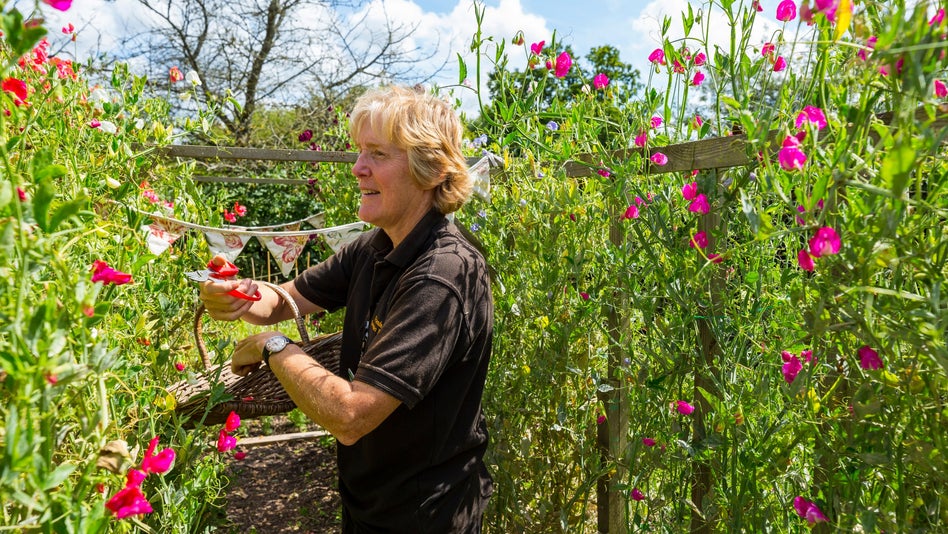
In Norfolk, there are gardens showcasing the best of this season's plants and blooms. From kitchen gardens to glasshouses and parterres, find some inspiration for your own green space.
