
Discover more at Hinton Ampner
Find out when Hinton Ampner is open, how to get here, the things to see and do and more.

The gardens at Hinton Ampner are a delight for the senses and a haven for wildlife. Changing with the seasons, there is always something to delight and inspire.
Join our volunteers for a tour of the garden gaining insight into different plants and garden history throughout the season. We also hold monthly garden tours led by one of our gardeners - check our events page for the latest dates and times.
Take a tour around the gardens with an expert. On the tour you will look at what's blooming in the garden and get some top tips to take home with you for your own garden. Running on the first Thursday of each month.
Join our volunteers for a tour of the garden gaining insight into different plants and garden history throughout the season. We also hold monthly garden tours led by one of our gardeners - check our events page for the latest dates and times.
In the autumn months the garden is bright with colour. Stars of the show are the vibrant Dahlias in all shapes and sizes, from tight pompoms to dinner plates the size of your hand. A favourite is the deep pink Fascination, which fills long borders in the Sunken Garden. In the walled Kitchen Garden there are the eye-catching ‘Summit Festival’, salmon-pink and peach blooms with white tips. More widely the gardens feature Salvia, Aster and ornamental grasses in abundance, and many trees and shrubs lining the garden paths, cascading out into the parkland and countryside which bring warm autumnal tints in the leaves, and an abundance of wild fruit.
The Kitchen Garden is also home to a lush vegetable patch, brimming with leafy produce. There’s a colourful pumpkin patch too, watched over by Hinton’s friendly scarecrow. In October, decorative pumpkin displays dress the garden. Look out for them on benches and shelves, nestled in barrels and carts, in front of the house, on the terrace and in other prime spots.
Please note that some areas of the garden are roped off to preserve them. Wet conditions lead to waterlogging causing the pathways to become slippery and unsafe. The welcome team at visitor reception will advise which areas are open during your visit.

A conventional country estate walled kitchen garden, it is laid out traditionally with cruciform pathways, vegetable beds, herbaceous and shrub borders.
Dating back to the original Tudor house, it is thought that the walled garden could have originally been the hop garden. At approximately one-and-a-half acres in size, it lies to the north of the house and greets visitors as they come in the main entrance.
The glasshouse is located within the walled garden and looks out across the kitchen garden. The temperature in the glasshouse is steady and warm as it benefits from the warmth held within the bricks forming its back wall. The garden team and garden volunteers maintain an ever changing display of exotic houseplants, all arranged upon a shelf at waist level. The raised level of the plants makes for an ideal vantage point to spot all the details and beauty of the shapes, scents and forms of the plants being grown.
The orchard is located on the site of the old Tudor house. Edged by low, clipped box hedges it is home to several varieties of flowering cherries and fruit trees. Cleverly designed with a symmetrical layout, it’s carpeted with hundreds of bright yellow daffodils in the spring.
The grass in the orchard is left to grow naturally throughout the spring and summer to provide a habitat for wildlife. The pathways align with the gateway to the kitchen garden. Discover a corner of peace and seclusion on the bench set obliquely against the backdrop of the church tower.

To the east of the house, the rectangular lily pond sits flanked by a pair of recumbent sphinxes leading up to the drawing room windows, framed by pink cherry blossom in the spring and fragrant pale pink rose borders in the summer. At the opposite end, a bench provides the perfectly shaded retreat for quiet contemplation throughout the seasons.
The formal parterres to the south of the house comprise a beautifully maintained lawn and several attractive borders edging the pathway in front of the house. They bloom with many different varieties of flowers throughout the year, from heavenly scented pink lilac and unusual tulip varieties in the spring, to huge red poppies and diverse herbaceous borders in the summer. Benches along the stone walkway provide the perfect vantage point to admire the breathtaking views out across the South Downs.
A stone balustrade adorned with climbing roses and honeysuckle separates the formal garden and the elegant stone steps down to the Sunken Garden. To the western end of the terrace lawn a stone nymph is framed by a branch of a large horse chestnut and set against a background of parkland and wide-open sky.
The Sunken Garden sits below the front lawn to the south of the house, with far-reaching views over the South Downs. Created in 1934, the centre is laid out with four rectangular beds that change with the seasons.
The long walk, over 200 yards in length, is a grass path running below the south terrace, passing through the centre of the sunken garden and through to the old tennis courts. This formal walkway features masterfully shaped and maintained Irish yew hedges on either side of the path.
One of the oldest features of the garden, the tennis court is one of the more remote areas of the garden, providing a large tranquil expanse of lawn.
The elegant temple, built around 1939, features a porphyry bust of Poppaea (wife of Nero) on a column. Tucked away in skilfully planted shrubberies, it provides the perfect place to sit and admire the view south onto to the parkland and lime avenue.
Originally an old chalk pit, the Dell is a hidden and unexpected feature of the garden. Planted with evergreen shrubs around the top and enclosed with box hedges to create a serpentine walk down to its centre, the Dell has a wonderfully luxuriant, tropical feel to it. Sheltered by a canopy of ash and lime trees, it provides a quiet, shady and meditative space for moments of reflection.
Comprising a variety of evergreen trees and shrubs, the North Drive creates a strong contrast to the open pasture and scattered trees of the parkland beyond with a magnificent yew hedge artfully clipped into a lively abstract pattern.
At the north end of the vista, a stone urn sits regally overlooking the site of the Battle of Cheriton, framing the old brick ha-ha and views of the parkland. The southern half of the drive curves elegantly round to reveal the view towards the front of the house.
Silent Space is a charity that encourages gardens open to the public to reserve an area where visitors can take time to reflect quietly and to enjoy the beauty of the garden and the sounds of nature without distractions.
Hinton Ampner’s garden is all about tranquillity but we also have a dedicated area in The Dell for quiet contemplation. The area is marked on our visitor maps or do ask a member of the team for directions.
For more information on Silent Space, visit the website:
https://silentspace.org.uk
Find out when Hinton Ampner is open, how to get here, the things to see and do and more.
This is a house that has sprung up from the ashes. With lavish interiors and beautiful collections, you’ll go on a journey through centuries of design influences.

Find out how this historic house rose from the ashes in the 1960s. Discover the mark each owner made over the centuries, from Tudor beginnings to neo-Georgian styling.

Our estate is the perfect place to get some air and be inspired by the landscape around you. Nestled in the South Downs National Park, Hinton Ampner estate holds some breath-taking views and is home to an abundance of wildlife.

Discover a menu using freshly grown ingredients from the Walled Garden, hot meals and drinks. Pick up unique items from our delightful shop and find your next page turner in our Second-hand bookshop.

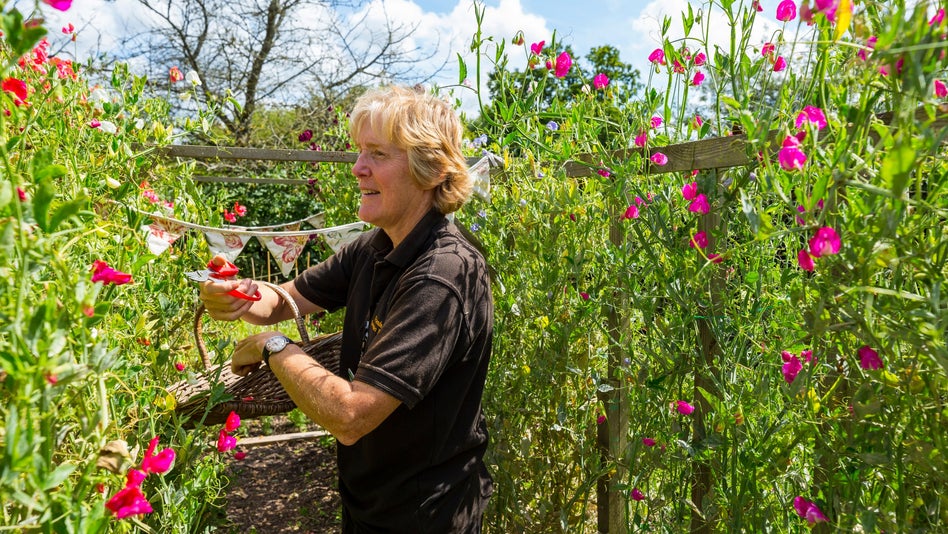
The one-and-a-half acre walled garden dates back to Tudor times and greets visitors as they arrive at the entrance to the property. It’s home to a rich variety of fruits and vegetables and beautiful flower-cutting borders which are all accessed via a crucial network of paths. Damage from weather and thousands of footsteps have left the path in need of replacement.
From 18th-century water gardens and Arts and Crafts landscapes to intimate woodland gardens, there are so many places to discover.

Discover our gardeners’ top tips so you can make the most of your garden, plot or window box.
Explore Hampshire's gardens this autumn to discover kitchen gardens full of produce and companion planting, from swelling pumpkins to vibrant dahlias.
